Lorton, VA(703) 483-8941

Lorton, VA(703) 483-8941
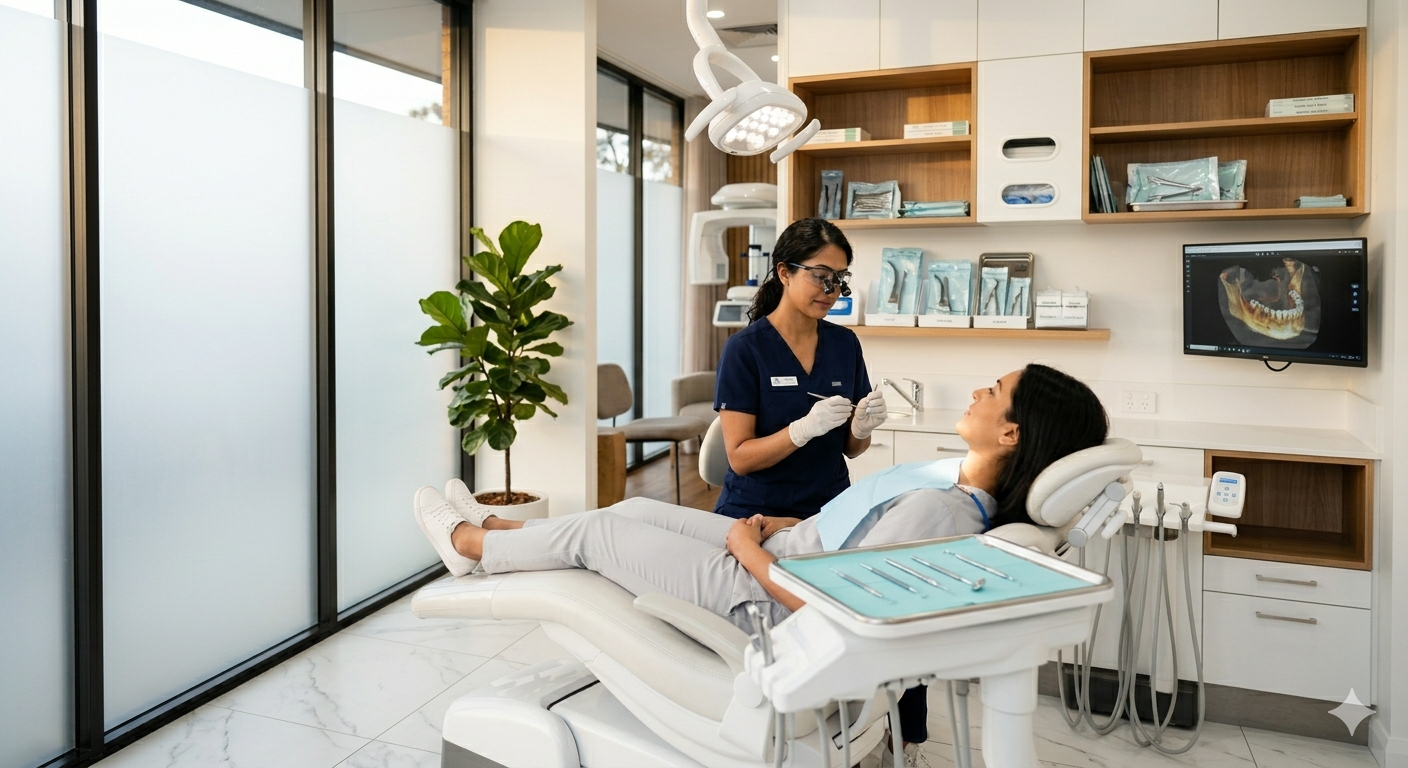
When considering TMJ treatment in Lorton, VA, cost is a common concern for many people experiencing jaw pain or discomfort. The average cost for TMJ treatment in Lorton typically ranges between $500 and $3,000, depending on the severity and type of therapy needed. This range covers initial consultations, diagnostic imaging, and various treatment options from simple bite guards to physical therapy or more advanced procedures.
Different factors influence the total cost, such as the complexity of the condition, the provider’s experience, and whether insurance covers part of the treatment. Many local dental offices offer personalized plans to fit different budgets, focusing on patient comfort and long-term relief.
If jaw pain or clicking sounds are affecting daily life, seeking early advice from a trusted Lorton dental specialist can make a big difference. They can provide a clear estimate and help patients understand the best options for effective and affordable TMJ care.
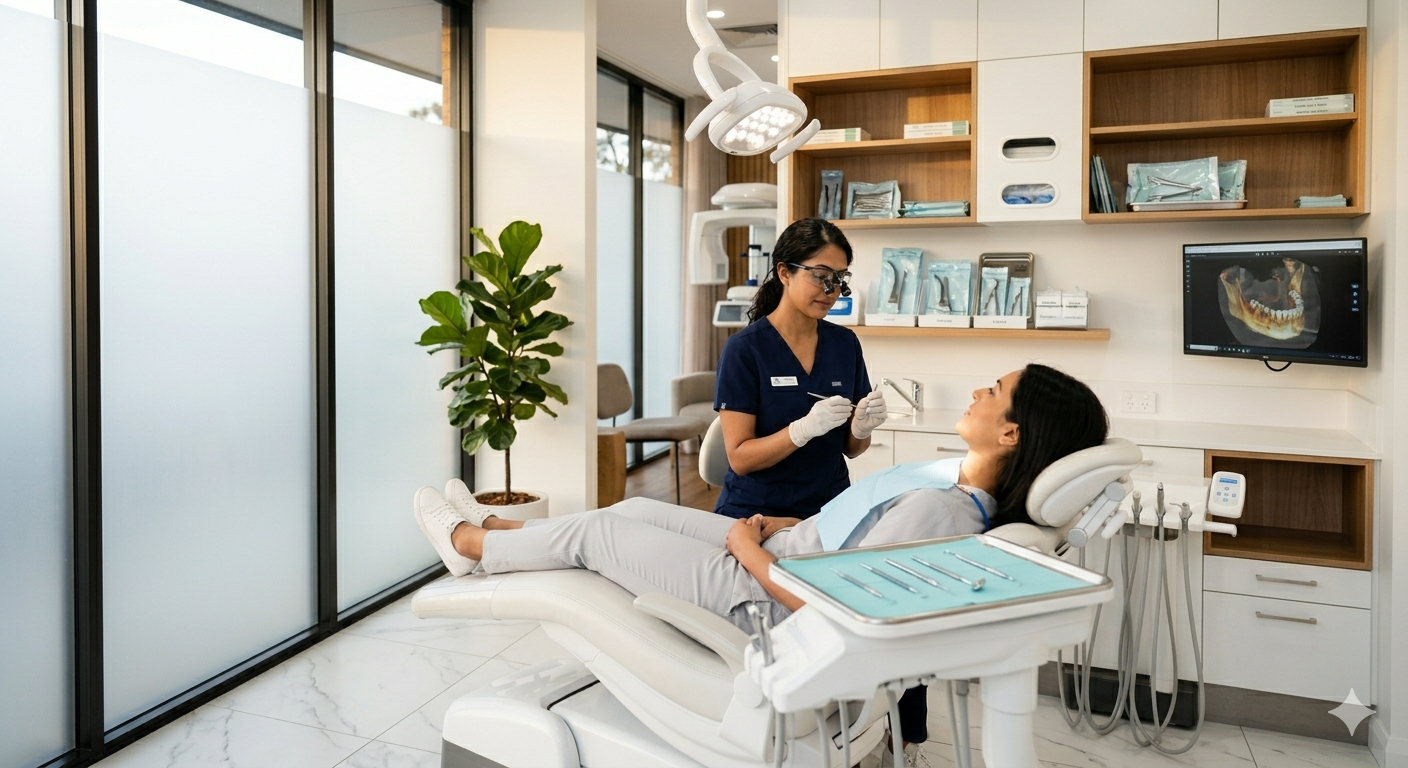
TMJ disorders affect the jaw joint and surrounding muscles, causing discomfort and difficulty. The causes, daily impacts, and timing for seeking care all play crucial roles in managing the condition effectively.
TMJ disorders often present symptoms like jaw pain, clicking or popping sounds, limited mouth opening, and headaches. Patients may feel stiffness or tenderness around the jaw, earaches, or even neck pain. These symptoms can range from mild to severe, sometimes worsening with chewing or speaking.
Common causes include jaw injury, arthritis, teeth grinding (bruxism), and misaligned bite. Stress can trigger muscle tension, worsening symptoms. In some cases, genetics or poor posture contribute. Understanding these triggers helps in identifying appropriate treatments.
Living with TMJ disorder can make simple actions like eating, speaking, or yawning uncomfortable. Eating hard or chewy foods might increase pain or stiffness, affecting nutrition and enjoyment of meals. Limited jaw movement can also alter speech clarity, causing frustration.
Sleep quality may decrease due to pain or teeth grinding at night, leading to fatigue and reduced concentration during the day. Social interactions can become awkward if pain or jaw noise affects confidence. Recognizing these impacts encourages timely management to improve quality of life.
It’s important to consult a dentist if jaw pain lasts more than a few weeks, worsens, or disrupts daily activities. Immediate care is needed if there is jaw locking, difficulty swallowing, or severe headaches accompanying the pain. Early diagnosis can prevent worsening conditions.
A dental professional will evaluate jaw function, review symptoms, and may recommend imaging. Treatment options like physical therapy, bite guards, or medication depend on severity. Prompt care improves comfort and prevents long-term joint damage.
TMJ treatment varies depending on the severity and cause of the disorder. Options range from simple lifestyle changes to advanced therapies that address the joint itself. Understanding these choices helps patients find relief while managing costs effectively.
Non-surgical treatments are often the first step in managing TMJ disorders. These include lifestyle modifications like eating soft foods, avoiding extreme jaw movements, and applying heat or cold packs to reduce pain.
Dental appliances, such as night guards, can help prevent teeth grinding and ease jaw tension. Physical therapy exercises focus on strengthening jaw muscles and improving flexibility. Over-the-counter pain relievers or prescribed medications may also be recommended to control inflammation and discomfort.
These methods aim to relieve symptoms and improve function without invasive procedures. They tend to be lower cost and involve minimal risk.
When conservative care isn’t enough, minimally invasive treatments come into play. Arthrocentesis involves flushing the joint with fluid to remove debris and reduce inflammation. It is performed under local anesthesia with a quick recovery time.
Injections, like corticosteroids or Botox, target inflammation and muscle spasms directly. These injections provide relief lasting several months but may need repeating.
These procedures offer more immediate symptom relief and can prevent progression of TMJ damage. Costs are higher than non-surgical approaches but generally lower than surgery.
For persistent or structural issues, advanced options involve technology-driven treatments. Customized dental splints created with digital impressions provide precise fit and improved outcomes.
Laser therapy is used to reduce pain and inflammation by promoting healing in soft tissues. In severe cases, arthroscopy or open joint surgery may be necessary to repair or replace damaged parts.
3D imaging helps specialists evaluate joint structure accurately before recommending surgery. These treatments are the most costly but address complex TMJ problems directly.
Patients should discuss these options with their provider to understand benefits, risks, and costs before proceeding.
TMJ treatment costs in Lorton, VA, can vary widely depending on several key elements. These include how serious the jaw issue is, the kind of treatment recommended, and who is providing the care. Understanding these factors helps patients prepare financially and choose the right care.
The cost of TMJ treatment is closely linked to how severe and complicated the disorder is. Mild cases, such as occasional jaw pain or slight clicking, might only need simple therapy like mouth guards or physical therapy.
More complex cases often involve chronic pain, locking, or structural problems in the joint that require advanced interventions. These may include injections, custom dental appliances, or even surgery, which significantly raise the price.
A thorough diagnosis with imaging like X-rays or MRIs is often necessary to understand the condition’s complexity. This diagnostic step adds to the upfront cost but ensures the treatment targets the root cause effectively.
Different therapies carry different price points in TMJ treatment. For example:
Each type of therapy targets distinct symptoms or stages of TMJ disorders, so the chosen method largely dictates the overall expense.
Experienced TMJ specialists typically charge more for their services due to their advanced knowledge and skill. Providers with specialized training in orofacial pain or oral surgery might offer more precise diagnoses and effective treatments.
Lorton clinics with modern diagnostic tools and comfortable facilities may have higher fees, reflecting their investment in quality care. Additionally, providers who offer multi-disciplinary approaches—combining dental, physical, and medical care—may involve separate consults and higher cumulative costs.
Patients should consider the balance between cost and quality, choosing providers who offer trusted expertise, gentle care, and follow-up support to manage TMJ disorders effectively.
TMJ treatment costs in Lorton vary depending on the complexity of the condition and the type of therapy recommended. Patients should expect fees related to diagnosis, customized treatment plans, and ongoing care, which together shape the overall expense.
The first step usually involves a thorough exam and diagnostic imaging, such as X-rays or a CT scan. In Lorton, this evaluation commonly ranges between $150 and $300. This fee covers a detailed consultation, physical exam of the jaw, and interpretation of images to pinpoint the root cause of TMJ discomfort.
Insurance may cover part of these diagnostic fees, but patients should verify their plan’s specifics. This initial investment is crucial; it guides the dentist in designing an effective treatment approach tailored to the patient’s needs.
Treatment costs can vary widely based on the selected approach, including appliances, physical therapy, or injections. Common therapies like occlusal splints typically cost between $400 and $1,200 in Lorton.
More advanced options, such as Botox injections for muscle relaxation or minor surgical interventions, can increase the price, sometimes reaching $1,500 to $3,000. The dentist provides a clear estimate before starting, outlining all potential expenses so patients can plan financially without surprises.
Follow-up visits are vital to monitor progress and adjust treatments as needed. These appointments usually cost around $75 to $150 per visit in Lorton. Some patients might require ongoing splint adjustments or periodic physical therapy sessions.
Long-term maintenance helps prevent symptom recurrence and keeps the jaw functioning smoothly. Patients should factor these costs into their budget when considering TMJ therapy to ensure continuous care without interruption.
Navigating TMJ treatment costs can feel overwhelming, but there are multiple options to ease the financial burden. Many insurance plans, flexible payment options, and healthcare accounts can help make treatment more accessible.
TMJ treatment often falls into a gray area between dental and medical care, so coverage can vary widely. Some dental insurance plans cover basic procedures like occlusal guards or initial consultations. Medical insurance may cover treatments linked to underlying conditions such as arthritis or injuries.
Patients should verify each plan’s benefits and limitations. Important details to ask about include annual maximums, co-pays, and pre-authorization requirements. Sometimes, combining dental and medical benefits can lower out-of-pocket costs.
Many TMJ specialists in Lorton offer financing to help spread out treatment costs. These plans often come with low or zero-interest options for a set period. This makes even comprehensive procedures more affordable over time.
Dental offices typically work with third-party providers like CareCredit. Patients can apply quickly and receive decisions on the spot. Flexible payment plans let people focus on healing without upfront financial stress.
Health Savings Accounts (HSAs) or Flexible Spending Accounts (FSAs) allow patients to use pre-tax dollars for TMJ treatment. This lowers the net expense and can be especially helpful for costly procedures like physical therapy or custom appliances.
Funds from these accounts are easy to use with most dental and medical providers. Patients should confirm eligibility of their TMJ care expenses before paying to maximize tax benefits. Using HSAs or FSAs can make managing treatment costs smoother and smarter.
Understanding TMJ treatment options and ongoing care helps patients get the most benefit from their investment. Focused attention on personalized care, preventive habits, and timely treatment can improve comfort and reduce costs over time.
Each person’s TMJ condition is unique. Effective treatment starts with a thorough evaluation that considers jaw movement, pain levels, and lifestyle factors. Personalized care plans might include custom mouthguards, physical therapy, or targeted medications.
This tailored approach helps avoid unnecessary treatments and focuses on what works best for the individual. It also improves outcomes faster, saving money on extended or repeated visits. Dental professionals in Lorton VA often emphasize patient comfort while customizing treatment to balance cost and effectiveness.
Simple daily habits can make a significant difference in TMJ health. Patients are encouraged to avoid chewing gum, eating hard or chewy foods, and to practice gentle jaw stretches recommended by their dentist.
Stress management techniques like deep breathing or mindfulness also help prevent muscle tension that worsens TMJ symptoms. Regular use of ice packs or warm compresses can reduce inflammation and pain at home, potentially reducing the need for costly in-office treatments.
Addressing TMJ symptoms early often prevents more severe problems later. Mild jaw discomfort or clicking should prompt a check-up rather than waiting for pain to worsen.
Early treatment can include minimally invasive procedures that are less expensive and easier to recover from. It also reduces the risk of chronic damage, which often requires complex and costly care. Patients who seek prompt advice in Lorton VA typically experience smoother, quicker recoveries.
Finding the right dental team for TMJ treatment in Lorton means looking for experience and patient-centered care. A good dental provider listens carefully to symptoms and explains treatment options clearly.
Patients benefit when the team uses modern technology like digital imaging. This helps diagnose TMJ issues more accurately and tailor the best approach for each person. Comfort is also important—gentle techniques and a welcoming office environment can ease any dental anxiety.
When comparing dental teams, consider these factors:
Good communication matters. The best teams encourage questions and take time to make sure patients understand what to expect. This builds trust and ensures everyone feels involved in decisions about their care.
Choosing a local dental office that keeps up with the latest in TMJ therapy can improve outcomes and reduce discomfort. It’s always wise to schedule a consultation to discuss symptoms and get a personalized evaluation.
After understanding the costs involved in TMJ treatment in Lorton, VA, the next move is setting up a personal consultation. This visit allows the dentist to evaluate specific symptoms and recommend the best course of action tailored to the patient’s needs.
Many treatment options focus on comfort and gradual improvement, including lifestyle adjustments, physical therapy, or custom oral appliances. Patients often find relief through simple changes like applying heat, practicing jaw exercises, or managing stress.
It’s important to discuss insurance coverage and payment plans during the visit. This conversation helps clarify out-of-pocket expenses and makes treatment more accessible.
Patients should also ask about follow-up care, as ongoing support can prevent future discomfort. Regular check-ins allow dental professionals to adjust treatments and monitor progress.
Key Takeaways:
Encourage reaching out to a trusted local provider for any questions or to start the path toward relief. Taking these next steps fosters comfort and wellness with professional guidance close to home.
Costs for TMJ care can vary based on the type of treatment, diagnostic tests, and insurance coverage. Understanding what influences pricing helps patients plan better for their care.
An initial TMJ evaluation in Lorton, VA usually ranges from $100 to $250. This includes a thorough exam and discussion of symptoms.
Sometimes, the cost may be higher if additional imaging like X-rays or MRIs is required during the first visit.
Night guards often cost between $300 and $600, depending on the material and customization. Physical therapy sessions range from $50 to $150 per visit.
Injections, such as Botox or corticosteroids, can cost from $200 up to $600 per session, varying by the type and provider.
Advanced imaging like MRIs or CT scans can add $300 to $1,000 to the total cost. Seeing a specialist, such as an oral surgeon, often means higher fees.
Longer treatment plans with multiple therapies or follow-up visits increase overall expenses too.
Coverage differs; some dental plans cover night guards and exams, while medical insurance may cover physical therapy or injections.
Patients should contact their insurer directly or review their policy documents to confirm what TMJ care is covered.
Blue Cross Blue Shield usually requires documentation of medical necessity. Getting a referral from a primary care doctor can help.
Submitting detailed treatment plans and medical records when requesting coverage improves approval chances.
With insurance, TMJ surgery may cost $3,000 to $10,000 out-of-pocket after coverage. Without insurance, prices often start around $15,000.
Exact fees depend on the procedure type, surgeon’s fees, hospital costs, and the patient’s insurance plan.