Lorton, VA(703) 483-8941

Lorton, VA(703) 483-8941
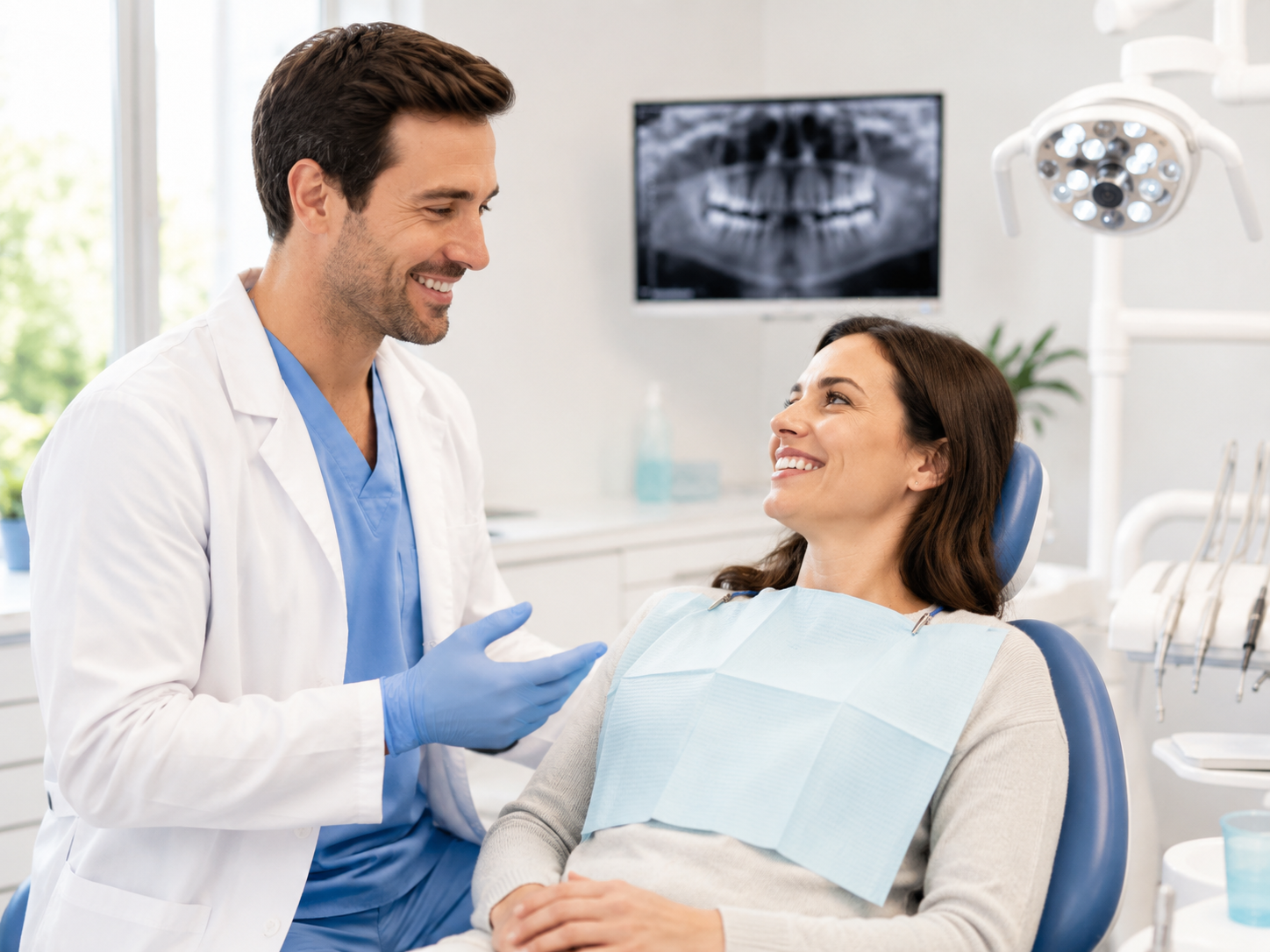
You’ll find a family dentist in Lorton, VA who makes oral health straightforward and comfortable for every age. They tailor care so grandparents, parents, and kids get the right exams, cleanings, and guidance without the fuss or anxiety that often comes with dental visits. A trusted local practice offers comprehensive preventive, restorative, and cosmetic services under one roof, so your whole family’s smiles stay healthy and confident.
They prioritize patient comfort, modern technology, and clear explanations, so you understand treatment options and costs before agreeing to care. Expect gentle exams, kid-friendly visits, same-day scheduling options, and plans that work with common insurance and payment choices to fit busy family life.
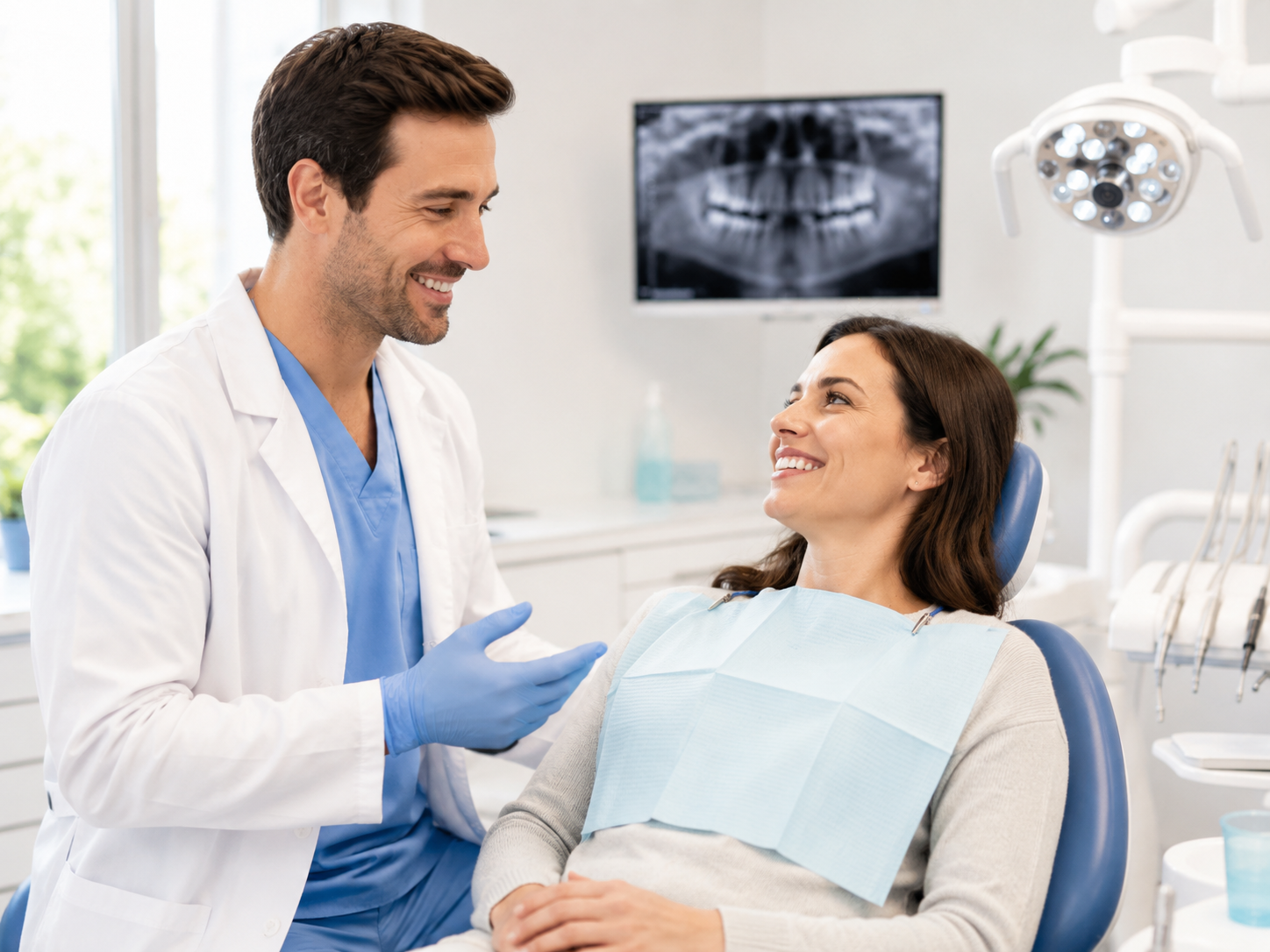
This practice provides age-appropriate care, prevention-focused plans, and treatment options tailored to each stage of life. Providers emphasize comfort, clear explanations, and scheduling flexibility to fit school, work, and caregiving needs.
The team creates a welcoming first-visit experience to build trust and reduce fear. They perform gentle exams, fluoride varnish applications, and age-specific cleanings while teaching brushing and flossing with visual demonstrations and child-friendly tools.
They screen for early signs of decay, thumb-sucking effects, and bite development. When needed, they place tooth-colored fillings and apply stainless-steel crowns using behavior guidance techniques and, if appropriate, nitrous oxide for anxious little patients.
Parents receive a written home-care plan: brushing frequency, toothpaste amount by age, and dietary tips to lower cavity risk. The office coordinates with pediatricians on growth or developmental concerns and schedules routine recall visits aligned with vaccine or school physical timelines.
Providers focus on gum health, wisdom-teeth monitoring, and cosmetic concerns like stain removal or orthodontic referrals. They use digital x-rays and intraoral photos to involve teens in decisions and explain treatment rationale clearly.
Counseling covers sports mouthguards, tobacco and vaping risks, and orthodontic maintenance. For restorative needs, the practice offers tooth-colored composites and minimally invasive procedures that preserve enamel and speed recovery.
Scheduling accommodates school hours and extracurriculars; providers discuss payment options and preventive plans that promote lifelong habits. They encourage independent oral-care routines while keeping parents informed about growth-related dental changes.
Care plans address restorative work, periodontal maintenance, and bite-related issues such as TMJ or bruxism. The office provides crowns, bridges, implant placement and restoration, and same-day crowns when indicated using CAD/CAM technology.
For gum disease, clinicians deliver scaling and root planing, localized antibiotic therapy, and regular periodontal maintenance visits. They screen for oral cancer and manage dry mouth related to medications with saliva substitutes and targeted fluoride treatments.
Seniors receive assessments for denture fit, implant-retained dentures, and coordination with physicians on medication effects. The practice offers longer appointments, wheelchair accessibility, and clear cost estimates to help patients make informed choices and maintain function and comfort.
Preventive care focuses on stopping problems before they start and teaching patients simple, effective habits. Regular exams, targeted treatments like sealants and fluoride, and clear home-care guidance keep smiles healthy and reduce the need for complex procedures.
A comprehensive exam in Lorton includes a visual check, periodontal probing, bite evaluation, and oral cancer screening. Digital X-rays or 3D scans catch cavities, bone loss, or impacted teeth early; the dentist reviews images with the patient to explain findings plainly.
Professional cleanings remove tartar above and below the gumline using ultrasonic scalers and hand instruments. Hygienists polish teeth and apply patient-specific instruction on brushing and interdental cleaning based on plaque patterns and gum health.
They monitor restorations like crowns and fillings for wear or leakage. Records track changes over time so the dentist can recommend timely treatment or more frequent cleanings for patients with higher risk.
Sealants are thin, protective coatings applied to the chewing surfaces of molars to block food and bacteria from deep grooves. Application takes minutes: teeth are cleaned, etched briefly, rinsed, and the resin is cured with a light; sealants can last several years with routine checks.
Topical fluoride treatments strengthen enamel and help reverse early decay in children and adults. Typically delivered as a varnish or gel during a visit, fluoride’s benefit depends on concentration and frequency; the dentist will recommend intervals based on decay risk.
Both sealants and fluoride are low-cost, minimally invasive options that significantly reduce cavity risk when combined with good home care. Insurance often covers them for children; the office staff can verify benefits and suggest the best schedule.
Brush twice daily with a soft-bristled brush and fluoride toothpaste, using gentle circular motions for two minutes. Replace the brush every three months or after illness to maintain effectiveness.
Floss or use interdental cleaners once daily to remove plaque between teeth where brushes can’t reach. Electric toothbrushes and water flossers can improve results for patients with braces or limited dexterity.
Limit sugary snacks and acidic drinks; rinse with water after consumption and wait 30 minutes before brushing to protect enamel. Schedule dental exams and cleanings every six months or as recommended for personalized risk management.
They should ask their dentist about topical fluoride, custom trays, or prescription toothpaste if they have high decay risk. Contact the Lorton family dental office to discuss preventive options, insurance coverage, or to book a routine visit.
Patients receive precise repairs that restore function, comfort, and a natural look. The practice emphasizes conservative treatment, local anesthesia options, and materials that match tooth color and strength.
Fillings repair small to moderate decay or chips using tooth-colored composite resin that bonds directly to enamel and dentin. The dentist removes decay, sanitizes the cavity, and layers composite, sculpting it to the original tooth shape. This approach preserves more natural tooth structure than traditional amalgam.
Crowns cover teeth weakened by large restorations, root canals, or fractures. The office offers same-day CAD/CAM crowns and traditional lab-fabricated crowns in porcelain, zirconia, or porcelain-fused-to-metal. Digital impressions reduce gagging and improve fit. Local anesthetic and mild sedation are available for anxious patients.
After placement, the clinician adjusts bite and polishes restorations to blend with adjacent teeth. Patients receive clear care instructions: avoid hard foods for 24 hours after bonded fillings and maintain routine brushing and flossing to extend restoration life.
Fixed bridges replace one or more missing teeth by anchoring crowns to adjacent teeth or implants. The dentist evaluates adjacent tooth health and uses conservative prep when possible. They present options: traditional tooth-supported bridges, implant-supported bridges for greater stability, and Maryland bridges that use resin-bonded wings for minimal enamel removal.
Removable dentures restore larger tooth gaps and full arches. The practice offers partial acrylic or flexible dentures and full dentures crafted from high-quality acrylics and denture teeth chosen for natural color and shape. Implant-retained overdentures provide improved chewing and reduced bone loss compared with conventional dentures.
Each restorative plan includes a timeline, cost estimate, and follow-up schedule. The team explains cleaning techniques, overnight care, and when adjustments or relines may be necessary to maintain comfort and fit.
Patients can choose targeted treatments to remove stains, correct shape issues, or cover surface defects. Options range from in-office bleaching for fast results to conservative bonding and porcelain veneers for reshaping and long-term color stability.
Professional whitening uses higher-concentration peroxide gels applied under dental supervision to lift deep stains from coffee, wine, tobacco, and age-related discoloration. In-office treatments typically deliver visible results in one 45–90 minute appointment using light or heat to accelerate the gel, while custom take-home trays allow safer, more gradual whitening over 1–2 weeks.
A dentist evaluates enamel thickness, existing restorations, and gum health before whitening to set realistic expectations and avoid sensitivity or uneven color. Whitening affects natural teeth only; crowns, veneers, and fillings will not change shade and may need replacement to match. Typical side effects include short-term sensitivity or mild gum irritation, which dentists manage with desensitizing products and tailored protocols.
Dental bonding uses tooth-colored composite resin to repair chips, close small gaps, or mask stains in one visit with minimal enamel removal. It provides a conservative, cost-effective cosmetic fix that lasts 3–10 years depending on bite forces and oral hygiene. Bonding suits single-tooth corrections and is easily repaired if it chips or discolors.
Porcelain veneers are thin ceramic shells bonded to the front of teeth to correct color, shape, and alignment with superior stain resistance and a natural appearance. Veneers require 2–3 visits for preparation, impression, and placement; they typically last 10–15 years with proper care. A dentist will assess bite, tooth structure, and gum contour to recommend bonding for minor repairs or veneers for comprehensive, long-lasting aesthetic change.
This practice uses precise imaging and gentle anesthesia to speed diagnosis and reduce discomfort. Patients benefit from lower radiation, clearer treatment plans, and multiple sedation choices tailored to anxiety and procedure complexity.
Digital X-rays cut radiation exposure by up to 80% compared with traditional film and produce images instantly on a chairside monitor. The dentist can enlarge, enhance, and measure images to detect cavities between teeth, early bone loss, hidden infections, and failed root canals that a visual exam alone might miss.
Intraoral cameras give patients a close-up view of their own teeth so the team can explain findings and treatment options clearly. Cone beam CT (CBCT) is available for implant planning and complex cases; it provides 3D views of bone anatomy and nerve locations to improve implant placement accuracy and avoid complications.
The office integrates digital charting and CAD/CAM systems to fabricate same-day crowns when appropriate, reducing visits. This combination of tools shortens treatment time, improves predictability, and helps patients make informed choices with visual evidence.
Local anesthesia remains the standard for most procedures, with buffered formulations and computer-controlled delivery systems to minimize injection pain and numbness duration. The dentist assesses medical history, anxiety level, and procedure length before recommending an approach.
Nitrous oxide (laughing gas) offers mild sedation and rapid recovery for patients who feel nervous but want to stay awake. For moderate to deep relaxation, oral conscious sedation or IV sedation is available under monitored conditions; vitals are tracked throughout the visit to ensure safety.
Postoperative pain is managed with targeted instructions, non-opioid analgesics, and prescription medications when necessary. The team customizes protocols for children, seniors, and medically complex patients to prioritize comfort while maintaining clinical safety.
Selecting a dental home means balancing clinical skill, comfort, and convenience. Practical factors — location, hours, insurance, and a practice’s approach to preventive care — shape long-term satisfaction.
Look for a practice with a range of services: pediatric care, adult preventive exams, restorative work (fillings, crowns), and emergency treatment. Confirm that the dentist uses modern diagnostics like digital x‑rays and intraoral cameras to reduce radiation and catch problems earlier.
Check credentials and affiliations; a dentist who maintains continuing education and belongs to organizations such as the ADA or state dental society stays current on techniques.
Evaluate the office environment: clean facilities, sterilization protocols, and friendly staff set the tone. Patient amenities like flexible scheduling, sedation options, and clear treatment estimates help reduce anxiety.
Read recent patient reviews and ask neighbors about their experiences. Positive feedback about gentle care for children, transparent billing, and prompt emergency appointments indicates a reliable family practice.
Start with basics: “What are the dentist’s credentials and years in practice?” and “Does the office accept my insurance or offer payment plans?” These clarify cost and experience upfront.
Ask about diagnostic and preventive protocols: “How often do you recommend X‑rays or cleanings?” and “What fluoride or sealant options do you provide for kids?” Specific answers reveal the practice’s preventive focus.
Discuss treatment approach: “What are my options for restoring this tooth?” and “How do you handle dental anxiety or sedation?” This shows how the team balances conservative care with patient comfort.
Confirm logistics: “What are your typical wait times, emergency availability, and cancellation policies?” and “Who will coordinate my specialist referrals if needed?” Clear policies reduce surprises and make the dental home easier to rely on.
The practice accepts most major dental insurance plans and helps verify benefits before the first appointment. They explain coverage details so patients know what’s covered, what’s not, and any out-of-pocket estimates.
For patients without insurance, the office offers several payment options. These include credit/debit cards, cash, and third-party financing plans with low monthly payments to make treatment more manageable.
A transparent fee schedule and written treatment estimates reduce surprises. They provide cost breakdowns for preventive care, restorative work, and elective procedures so families can plan.
Flexible scheduling accommodates busy lives, with evening and Saturday appointments available on select days. Same-day emergency visits are offered when possible to address pain or urgent dental needs promptly.
The front-desk team assists with claims submission and paperwork to minimize hassle. They also set up reminders and easy online appointment booking for convenience.
Patients are encouraged to call about financial concerns; the team will outline options and create a plan tailored to each family’s situation. This supportive approach helps remove barriers to routine care and keeps smiles healthy.
Families benefit when daily oral care becomes a shared routine. Parents can model brushing and flossing, turning simple tasks into family time that reinforces consistency and makes habits stick.
Set realistic steps everyone can follow. For example:
Make dental visits predictable and positive. Regular checkups and cleanings help catch small problems early, and pediatric-friendly appointments reduce anxiety for children.
Use practical tools to support habits. Electric toothbrushes with timers, floss picks for fidgety fingers, and sticker charts for young children increase engagement and success.
Talk openly about oral health without judgment. When family members share challenges—sensitivity, dry mouth, or trouble flossing—a dentist can suggest tailored solutions like desensitizing toothpaste or saliva substitutes.
Emphasize prevention over fix-it treatments. Fluoride varnish, sealants for children, and routine cleanings protect teeth and reduce future need for more invasive care.
Encourage scheduling and accountability. They can set phone reminders, pair brushing with another daily activity, or plan family dental appointments together to reinforce commitment.
Prompt readers to ask about personalized plans at their local Lorton family dentist. A short conversation can produce simple, practical changes that last a lifetime.
New patients should schedule an initial consultation to meet the dentist and staff. This visit allows the team to review medical history, perform an exam, and discuss any immediate concerns.
They will often take X-rays and photos to get a complete view of dental health. These images help identify cavities, gum issues, and bite problems that aren’t visible on the surface.
Patients can expect a clear, personalized treatment plan that prioritizes comfort and prevention. The plan typically outlines short-term needs, routine care, and any restorative or cosmetic options with estimated timeframes.
Bring a list of current medications, insurance information, and questions about fears or past dental experiences. Sharing these details helps the office tailor appointments and recommend sedation or comfort measures if needed.
The practice emphasizes preventive steps patients can start at home right away. Simple changes—consistent brushing with fluoride toothpaste, daily flossing, and reducing frequent sugary snacks—make measurable improvements within weeks.
They also offer new-patient specials and flexible scheduling to ease the transition. Contacting the office by phone or online speeds up registration and secures an appointment that fits busy family schedules.
This section answers common concerns Lorton families raise about choosing a dentist, first-visit expectations, preventive care, implants, reading reviews, and appointment logistics. Each answer gives specific steps, what to expect, and practical tips families can use right away.
They should look for a practice that lists pediatric experience, offers flexible appointment lengths, and provides behavior-friendly approaches like tell-show-do for young children. Check that the office treats teens with age-appropriate explanations about orthodontics, oral hygiene, and cosmetic concerns.
Verify credentials and memberships (state dental board, ADA) and confirm evening or weekend hours if school and work schedules conflict. Ask whether the practice uses digital X-rays, same-day crowns, or sedation options—those services indicate modern, family-friendly care.
The first visit typically includes medical history review, exam, digital X-rays if needed, and a gentle cleaning with fluoride recommendations. The dentist will create a personalized care plan and estimate any treatment costs before proceeding.
For anxious patients, the team often offers noise-canceling headphones, short breaks, explain-each-step communication, and nitrous oxide when appropriate. They encourage parents to model calm behavior for children and provide appointments at quieter times to reduce stress.
They commonly recommend twice-yearly cleanings, individualized oral hygiene instruction, fluoride varnish for children, and dental sealants for permanent molars. Regular periodontal screening and scaling for adults with early gum disease are standard to prevent progression.
The office also emphasizes daily brushing with fluoride toothpaste, interdental cleaning (floss or water flosser), and limiting sugary drinks and frequent snacking. They tailor recall intervals—three, four, or six months—based on a patient’s decay or gum-disease risk.
Many family dental practices provide implant planning and coordination with implant surgeons, plus restorative crowns placed in-office. A good candidate generally has adequate jawbone, controlled systemic health conditions, and good oral hygiene habits.
Evaluation includes a clinical exam and a 3D CBCT or digital X-ray to assess bone and nerve position. If bone is insufficient, the team will explain bone graft options or alternative treatments like fixed bridges or removable partials.
Recent reviews often highlight friendly staff, on-time visits, clear explanations, and gentle care for kids. Look for mentions of pain management, how the practice handled insurance or billing, and whether follow-up care met expectations.
Pay attention to patterns rather than single comments: consistent praise for communication and punctuality matters more than an isolated negative experience. Also note responses from the practice—professional replies show active patient care and problem resolution.
Patients can schedule by phone, the practice website, or text request depending on the office’s systems; confirm if same-day or emergency slots exist. Bring photo ID, insurance card, a list of current medications, and copies of recent X-rays if coming from another dentist.
Complete new-patient forms online before arrival when possible to shorten check-in time. If dental anxiety or complex medical history exists, mention it when booking so staff can reserve extra time or arrange comfort measures.