Lorton, VA(703) 483-8941

Lorton, VA(703) 483-8941
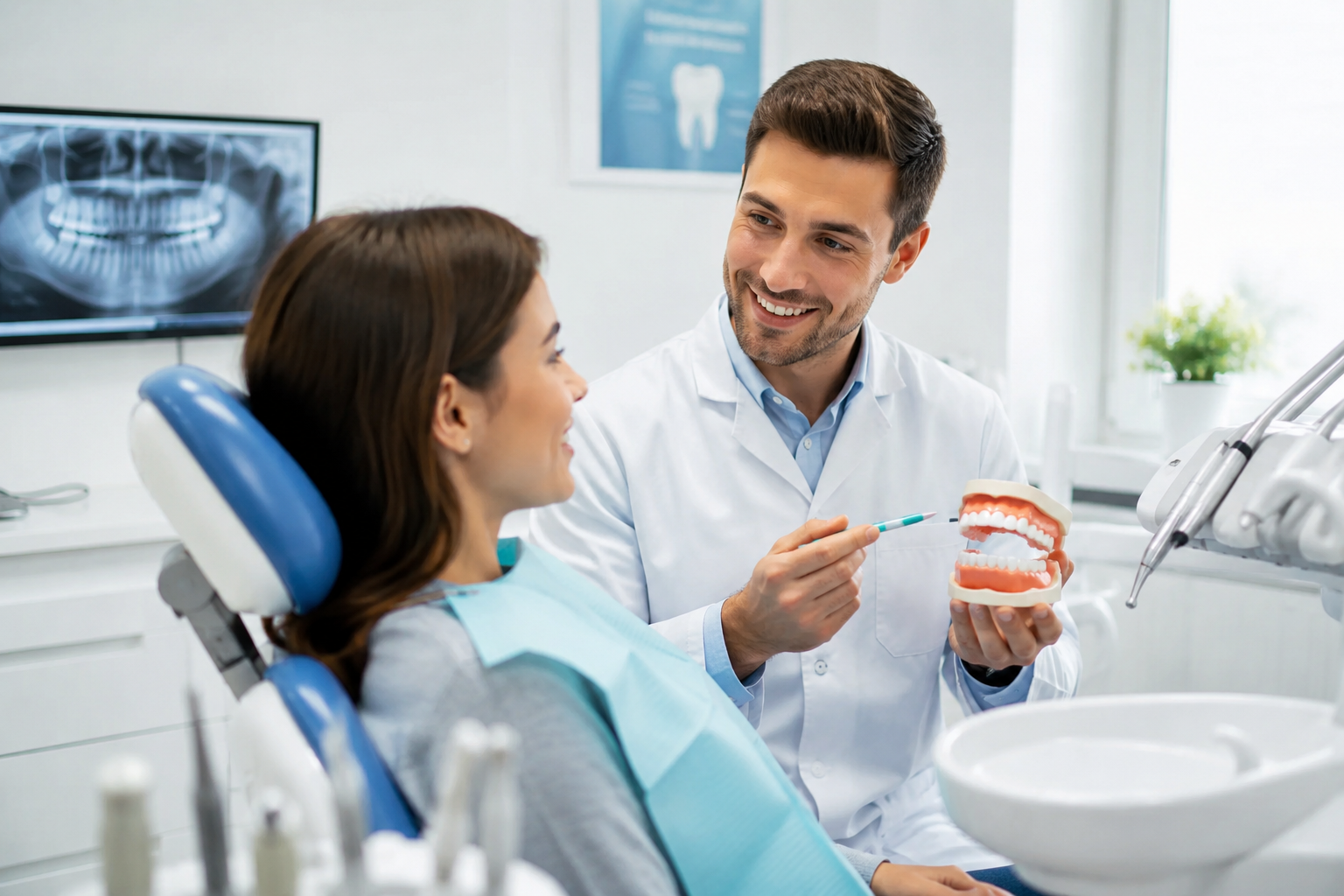
You’ll find practical, family-focused dental care in Lorton that balances preventive checkups, gentle pediatric visits, and modern restorative options to keep every smile healthy. A local practice can deliver routine cleanings, cavity prevention, age‑appropriate care for kids and teens, calming options for anxious patients, and quick treatment for dental emergencies—all under one roof.
They explain preventive steps in simple terms and offer veneers, whitening, fillings, and implants when restoration makes sense, so families avoid surprises and understand treatment choices. Expect a warm, reassuring atmosphere with clinicians who prioritize comfort, clear communication, and personalized plans that fit busy family schedules.
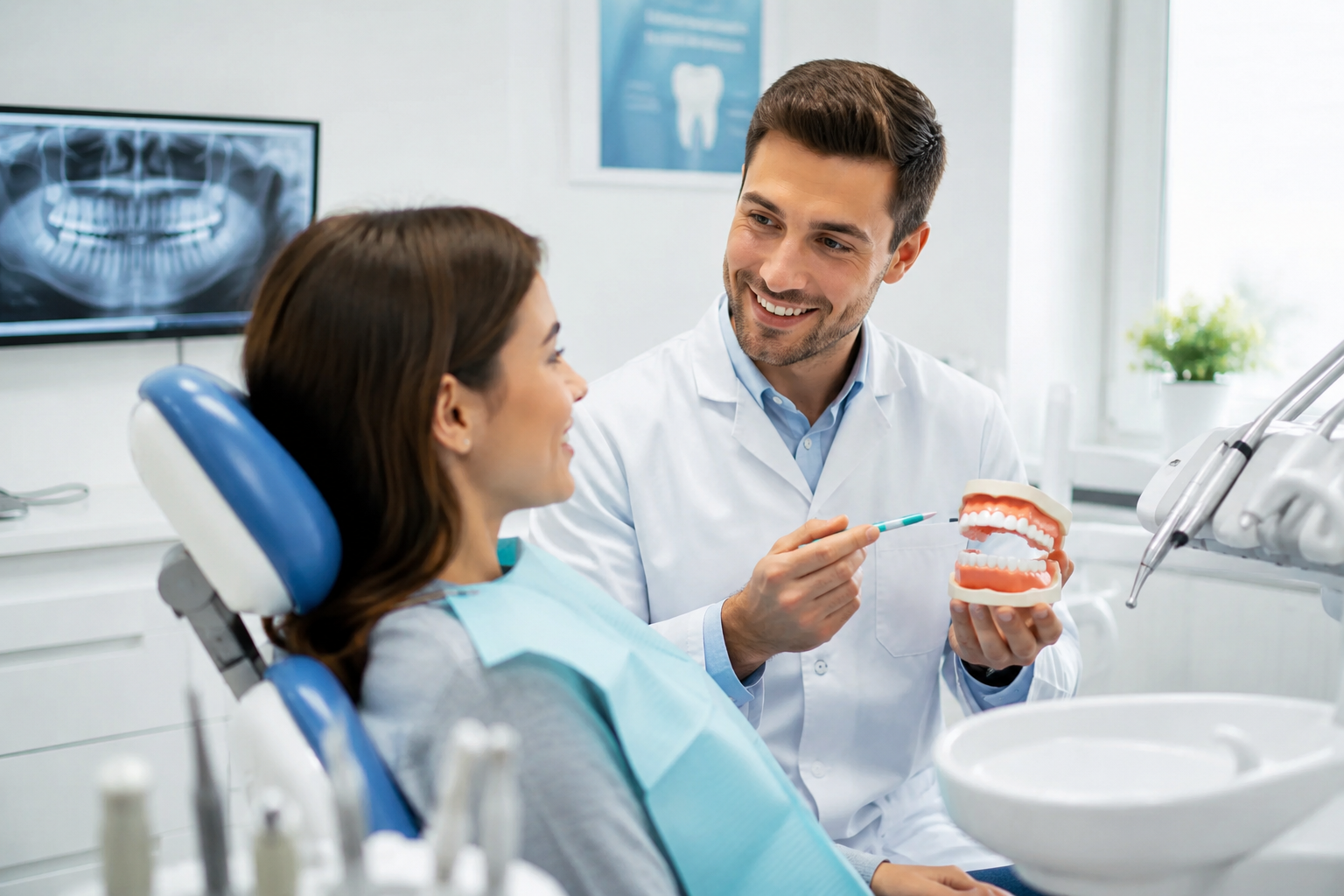
Preventive care keeps small problems from becoming major ones and focuses on regular exams, imaging for early detection, and patient education. Emphasis lies on routine cleanings, targeted X-rays, and practical home-care advice to protect teeth and gums.
A routine exam begins with a medical and dental history review and a focused oral cancer screening. The dentist checks gum health, tooth wear, restorations, bite alignment, and signs of decay or infection.
Professional cleanings remove plaque and tartar above and just below the gum line using ultrasonic scalers and hand instruments. Hygienists polish teeth, apply fluoride when appropriate, and document pocket depths to monitor gum disease progression.
Frequency typically follows a six-month schedule, but patients with periodontal disease, diabetes, or heavy plaque may need three- or four-month visits. Those intervals reduce bacteria levels and limit bone loss risk.
Insurance often covers preventive visits; staff can explain coverage and suggest treatment timing to maximize benefits.
Dental X-rays reveal decay between teeth, deep cavities, bone loss, and tooth development issues that visual exams miss. Radiographs such as bitewings, periapicals, and panoramic images provide different perspectives: bitewings for interproximal decay, periapicals for root and bone details, and panoramics for overall jaw assessment.
Modern digital X-rays use low radiation and allow immediate image review on-screen. Dentists tailor imaging frequency to risk factors: new patients, symptoms, or high-caries risk may need annual or more frequent X-rays; low-risk adults often need them every 1–3 years.
Accurate X-rays support conservative treatment planning, such as fillings instead of crowns, by detecting problems while they remain small. The dental team explains findings and next steps before any treatment begins.
Education focuses on brushing technique, interdental cleaning, and product selection tailored to the patient’s condition. Hygienists demonstrate a 45-degree brush angle, two-minute brushing twice daily, and use of fluoride toothpaste; they also teach flossing or interdental brush use for spaces where food traps.
For patients with sensitivity, braces, implants, or periodontal pockets, clinicians suggest specific tools: soft-bristled brushes, electric toothbrushes, rubber-tipped stimulators, antimicrobial rinses, or prescription-strength fluoride. They provide realistic routines and troubleshoot common obstacles like bleeding gums or gag reflex.
The team documents progress and sets measurable goals, such as reducing bleeding on probing or lowering plaque scores. Encouragement and clear next steps help patients maintain improvements between visits and reduce the need for invasive care.
Modern restorations aim to preserve healthy tooth structure, eliminate pain, and match the look of natural teeth. Treatments focus on durable materials, conservative techniques, and comfort during and after procedures.
Tooth-colored (composite) fillings repair cavities and small fractures without metal. The dentist removes decay, prepares the cavity, and bonds resin in layers, curing each layer with a blue light. This bonding seals margins and strengthens the remaining tooth structure, reducing the need for larger restorations later.
Composite matches enamel shades, so restorations blend with surrounding teeth for a natural appearance. Placement takes about 20–60 minutes per surface depending on size and location. Patients with sensitivity during the procedure receive local anesthesia and post-op sensitivity usually fades within a few days.
Advantages include mercury-free material, minimal removal of healthy tooth, and good aesthetics for front and back teeth. Proper oral hygiene and regular checkups help composites last—typically 5–10 years—though bite forces and grinding can shorten longevity.
Crowns cap severely damaged or root-treated teeth to restore shape, strength, and function. The dentist reduces the tooth, takes digital scans or impressions, and places a temporary crown while a lab fabricates the final restoration. Final crowns are cemented in a second visit or delivered the same day with in-office milling.
Bridges replace one or more missing teeth by anchoring a pontic to crowns on adjacent teeth or implants. Fixed bridges restore chewing, speech, and facial support without removable appliances. Implant-supported bridges avoid altering neighboring teeth, while traditional bridges require preparation of abutment teeth.
Materials include porcelain-fused-to-metal, all-ceramic zirconia, and lithium disilicate; choice depends on strength needs, esthetics, and bite dynamics. Proper fit and occlusion reduce wear and protect opposing teeth. Patients typically experience restored comfort and chewing ability within days of final placement.
Root canal therapy treats infected or inflamed pulp to save a tooth that would otherwise be extracted. The endodontist or general dentist accesses the pulp chamber, removes diseased tissue, cleans and shapes the root canals, and disinfects them before sealing with gutta-percha and a permanent filling or core buildup.
Treatment usually occurs in one or two visits, taking 60–90 minutes for most molars and less for simpler teeth. Local anesthesia keeps the procedure comfortable, and modern techniques—like rotary instruments and microscopes—improve cleaning and predictability.
After root canal therapy, the tooth often requires a crown to prevent fracture because root-treated teeth become more brittle. Success rates are high when infection is controlled and the tooth receives appropriate restoration; follow-up X-rays confirm healing and long-term prognosis.
The practice focuses on age-appropriate visits, gentle behavior guidance, and preventive treatments that fit each child’s needs. Parents receive clear instructions for home care, diet, and scheduling to reduce cavities and anxiety.
Pediatric cleanings use smaller instruments and milder polishing pastes to protect primary and newly erupted permanent teeth. The dental hygienist removes plaque and tartar with gentle scaling, then polishes to smooth enamel and make plaque less likely to stick.
Each visit includes a quick oral exam for cavities, growth concerns, and orthodontic indicators. Hygienists coach parents and children on proper brushing with a pea-sized fluoride toothpaste, flossing technique for tight spaces, and avoiding frequent sugary snacks.
Appointments often incorporate behavior techniques such as tell-show-do and positive reinforcement to keep children calm and cooperative. For anxious children, staff may schedule shorter visits, use distraction tools (videos or books), or coordinate with parents to build comfort gradually.
Topical fluoride strengthens enamel to resist decay, especially on newly erupted adult teeth that are softer and more vulnerable. The procedure takes about one to two minutes: a concentrated fluoride varnish is painted on teeth and sets quickly, allowing the child to resume eating soon after.
Fluoride frequency depends on risk factors—children with past cavities or high sugar intake typically receive treatment every three to six months. The dental team assesses fluoride exposure from water and toothpaste to avoid overuse while ensuring adequate protection.
Providers explain post-application care, such as avoiding sticky foods for several hours and not brushing immediately. They also discuss home fluoride options like fluoridated toothpaste and rinses when age-appropriate.
Sealants are thin resin coatings applied to the chewing surfaces of molars and premolars to block grooves where decay often starts. The process is quick: the tooth is cleaned and dried, an etchant is applied for about 15–30 seconds, then the sealant is placed and cured with a light—most applications take under ten minutes per tooth.
Sealants are most effective when placed soon after permanent molars erupt, typically around ages 6 and 12. Studies show sealants can reduce decay on treated surfaces by up to 80% in high-risk children, though longevity depends on chewing habits and bite forces.
Dentists inspect sealants at routine checkups and repair or replace them as needed. Parents receive guidance on maintaining sealants—avoiding very hard foods that might chip them and keeping consistent home care to protect untreated surfaces.
The practice prioritizes calm, predictable visits by combining targeted sedation, clear communication, and small comforts that reduce fear and build trust. Patients receive individualized plans that match their medical history and anxiety level.
The clinic offers several sedation levels tailored to dental anxiety. Nitrous oxide (laughing gas) provides light sedation: the patient remains awake, breathes comfortably, and recovers within minutes. Oral sedatives (a low-dose pill taken before the visit) produce moderate relaxation; staff review medications and arrange a companion for the ride home.
For more severe anxiety or longer procedures, conscious IV sedation delivers rapid, controllable relaxation while maintaining patient responsiveness. The dental team monitors heart rate, oxygenation, and blood pressure continuously during IV sedation. All sedatives are administered only after a medical history review, informed consent, and clear pre- and post-care instructions to minimize risks.
Costs, expected recovery time, and any fasting rules are explained up front. Insurance coverage and financing options are discussed during scheduling so there are no surprises. Patients receive a printed checklist of pre-appointment steps and a recovery timeline tailored to the chosen sedation method.
Staff use plain language, step-by-step explanations, and visual aids to demystify each procedure. Before treatment, the provider outlines what the patient will feel, how long specific steps take, and which signals (like raising a hand) will pause the work. That clarity reduces uncertainty.
The team practices active listening, asking about past dental experiences, specific fears, and pain thresholds. They document these preferences and adapt techniques — for example, using slower touch, frequent breaks, or topical anesthetic before injections. Follow-up calls after procedures confirm comfort and answer recovery questions.
A patient intake form invites children and adults to note sensory triggers or coping strategies they prefer. Staff also offer simple in-office comforts such as blankets, headphones with calming music, and noise-dampening headphones during drills to further lower stress and create a welcoming environment.
Patients can choose in-office whitening for fast, controlled results or porcelain veneers for more durable, shape-changing improvements. Both options reduce stains and improve confidence, with different timelines, costs, and maintenance needs.
Professional whitening uses higher-concentration peroxide gels applied by a dental team to lift stains from enamel more effectively than over-the-counter products. Treatment typically takes 45–90 minutes in-office for a single session, or patients can receive custom take-home trays with 10–22% carbamide peroxide for daily use over 1–2 weeks.
Dentists assess enamel health and existing restorations before whitening to avoid uneven results or sensitivity. Expect temporary tooth sensitivity in some patients; dentists mitigate this with desensitizing agents, shorter application times, or potassium nitrate products.
Typical improvement ranges from 3–8 shades, depending on stain type (coffee, tobacco, age-related). Results last months to a few years; maintenance includes avoiding staining foods, at-home touch-ups, and routine cleanings to prolong brightness.
Porcelain veneers are custom ceramic shells bonded to the front of teeth to correct severe discoloration, chips, minor misalignment, or uneven spacing. The process usually requires 2–3 visits: consultation and planning, minimal enamel preparation with impressions, and final bonding when the lab-made veneers return.
Veneers resist stains better than natural enamel and can last 10–15 years with proper care. Candidates need healthy gums and limited bite issues; significant bite correction or bruxism may require occlusal adjustment or a nightguard first.
Costs vary widely; patients should expect higher upfront investment than whitening but gain immediate, long-lasting aesthetic changes. Dentists discuss shade selection, shape, and conservative preparation to preserve tooth structure and meet patient expectations.
Immediate action reduces pain, limits infection risk, and improves the chances of saving damaged teeth. Contacting a local dentist quickly and following simple first-aid steps can make a major difference.
When a toothache starts suddenly and pain is severe, the practice recommends calling the dental office right away to schedule an emergency visit. They advise rinsing the mouth with warm salt water (1/2 teaspoon salt in 8 ounces of water) to reduce bacteria and gently flossing to remove trapped food that might be causing pressure. Over-the-counter ibuprofen or acetaminophen can be used for short-term pain control unless a patient has medical reasons not to take those medications.
If swelling, fever, or persistent severe pain occurs, these signs may indicate an abscess that requires prompt professional treatment such as drainage and antibiotics. The dentist will examine the tooth, take X-rays if needed, and discuss options like root canal therapy or extraction based on the tooth’s condition. Patients should bring a list of current medications and any allergy information to the appointment to ensure safe, effective care.
For a fractured tooth, rinse the mouth with warm water and apply a cold compress to reduce swelling. Save any broken pieces and bring them to the dentist; they may be reattached or used to guide restoration. If the break exposes the nerve, the tooth will likely need a root canal or protective restoration to prevent infection and restore function.
If a tooth is completely knocked out, pick it up by the crown — not the root — and rinse gently without scrubbing. If possible, reinsert the tooth into its socket and hold it in place, or store it in milk or a tooth-preservation solution; saliva or saline are acceptable short-term alternatives. Time matters: the best chance to save a knocked-out permanent tooth is within 30–60 minutes. The dentist will evaluate for reimplantation, splinting, and follow-up care including antibiotics and tetanus status when appropriate.
The practice greets infants, teens, adults, and seniors with the same focus on comfort and clear communication. Staff explain each step in plain language so patients and caregivers understand what to expect.
They offer gentle child-friendly visits that build positive experiences early. Simple, playful tools and short appointments help young children feel safe while teaching parents about teething, sealants, and fluoride.
Adults receive personalized preventive care and restorations tailored to lifestyle and goals. Options include tooth-colored fillings, crowns, and routine cleanings to maintain function and appearance.
Seniors benefit from evaluation of wear, dry mouth, and denture care. The team coordinates treatment with medical providers when medications or chronic conditions affect oral health.
Appointment scheduling accommodates multiple family members together or staggered times for convenience. Insurance and payment options are explained clearly to reduce stress.
They encourage families to ask questions and bring up concerns at any visit. A gentle invitation to schedule a consultation closes the conversation and moves toward better family oral health.
Choosing a local Lorton dental practice gives families faster access to care when they need it most. They can often schedule same-week visits for urgent issues, which reduces anxiety and prevents problems from worsening.
Local practices understand the community’s needs and tailor services accordingly. They offer familiar, family-centered scheduling that suits school and work commitments.
Patients benefit from continuity of care with providers who know their dental histories. That familiarity supports personalized preventive plans and makes exams and treatments more efficient.
Smaller, local offices often emphasize patient comfort and friendly, attentive staff. Many Lorton practices invest in modern, minimally invasive equipment while keeping the atmosphere relaxed for children and adults alike.
A local practice simplifies logistics like insurance billing and referrals to nearby specialists. Being nearby also reduces travel time for routine appointments, making it easier to keep up with preventive care.
Common advantages at a glance:
They encourage patients to ask questions and schedule consultations to discuss treatment options, preventive steps, or emergency care.
They should schedule an initial family appointment to establish a baseline for each family member. This visit lets the dentist check growth patterns, identify early problems, and create a personalized care plan.
They should follow a simple home routine: twice-daily brushing with fluoride toothpaste, daily flossing, and limiting sugary drinks. Small habit changes at home prevent bigger treatments later.
They should consider preventive treatments recommended by the dentist, such as sealants for children or professional cleanings every six months. These options reduce decay risk and maintain oral health with minimal discomfort.
They should ask about modern comfort-focused options like numbing techniques, sedation for anxious patients, and digital X-rays that use less radiation. These choices make visits easier for nervous patients and children.
They should verify insurance coverage and ask the office about flexible payment plans if needed. Understanding costs ahead of time helps families avoid surprises and prioritize necessary care.
They should call or use online booking to set up appointments, bring any dental records, and prepare a list of questions or concerns. Doing these small tasks streamlines the visit and ensures the dentist addresses each family member’s specific needs.
Bold steps make a difference: book an exam, start preventive habits, and talk about comfort options. They can contact the Lorton family dental team to discuss next steps and schedule a consultation.
These answers cover choosing a dentist for all ages, what to expect for children, differences between family and general dentists, comfort options during procedures, Virginia Medicaid coverage details, and affordable care pathways.
Look for a practice that lists pediatric care and geriatric services on its website and shows photos of treatment rooms and equipment.
Check qualifications: general dentists with pediatric training or a pediatric specialist for young children, and experience with crowns, implants, or denture work for seniors.
Read recent patient reviews mentioning kids’ first visits and senior care experiences.
Confirm office logistics: evening or weekend hours, same-day emergency availability, and whether they accept your insurance.
The first visit usually includes a gentle exam, cleaning if tolerated, and simple oral hygiene instruction.
Bring a favorite toy, schedule at a calm time of day, and use neutral language—avoid words like “shot” or “hurt.”
Parents should model positive behavior and let the child sit in the parent’s lap if the office allows.
Ask the team about short tours of the operatory or a “tell-show-do” approach so the child knows what to expect.
A family dentist provides care for children through seniors in one practice and often offers preventive care, fillings, crowns, and minor oral surgery.
A general dentist can be identical in training; the main difference is whether the office markets services for all ages and maintains a child-friendly environment.
Pricing depends on services, location, and insurance, not the label; compare fee schedules and ask for cost estimates before treatment.
Many family practices bundle preventive care for multiple family members or offer in-office membership plans to lower out-of-pocket costs.
Practices commonly offer nitrous oxide (laughing gas), oral sedatives, and local anesthesia to manage anxiety and pain.
For more complex or severe anxiety, conscious IV sedation or referral to an oral surgeon for deeper sedation may be available.
Ask about chair-side comforts like blankets, noise-cancelling headphones, or a planned break schedule during longer appointments.
Discuss prior negative experiences and any medications with the dental team so they can tailor a comfort plan.
Virginia Medicaid (FAMIS/Medicaid for adults and children) covers preventive and emergency dental services for children and many basic services for adults, but coverage varies by program and age.
Traditional dental implants are generally not covered for adults under standard Medicaid; partial coverage for dentures or extractions may exist in certain cases.
Verify eligibility and covered services with the Virginia Medicaid website or by calling the plan directly.
Ask the dental office if they bill Medicaid and whether they can provide pre-treatment estimates for dentures or complex restorative care.
Ask the office for an itemized estimate and request phased treatment to prioritize urgent care first.
Inquire about in-house payment plans, third-party dental financing (CareCredit, etc.), and office membership plans that reduce preventive-costs for uninsured patients.
Look for community clinics, dental schools, or nonprofit programs that offer sliding-scale fees or reduced-cost services.
Ask the dental team for lower-cost alternatives (e.g., a fixed partial denture vs. an implant) and for a written treatment plan to compare options before deciding.