Lorton, VA(703) 483-8941

Lorton, VA(703) 483-8941
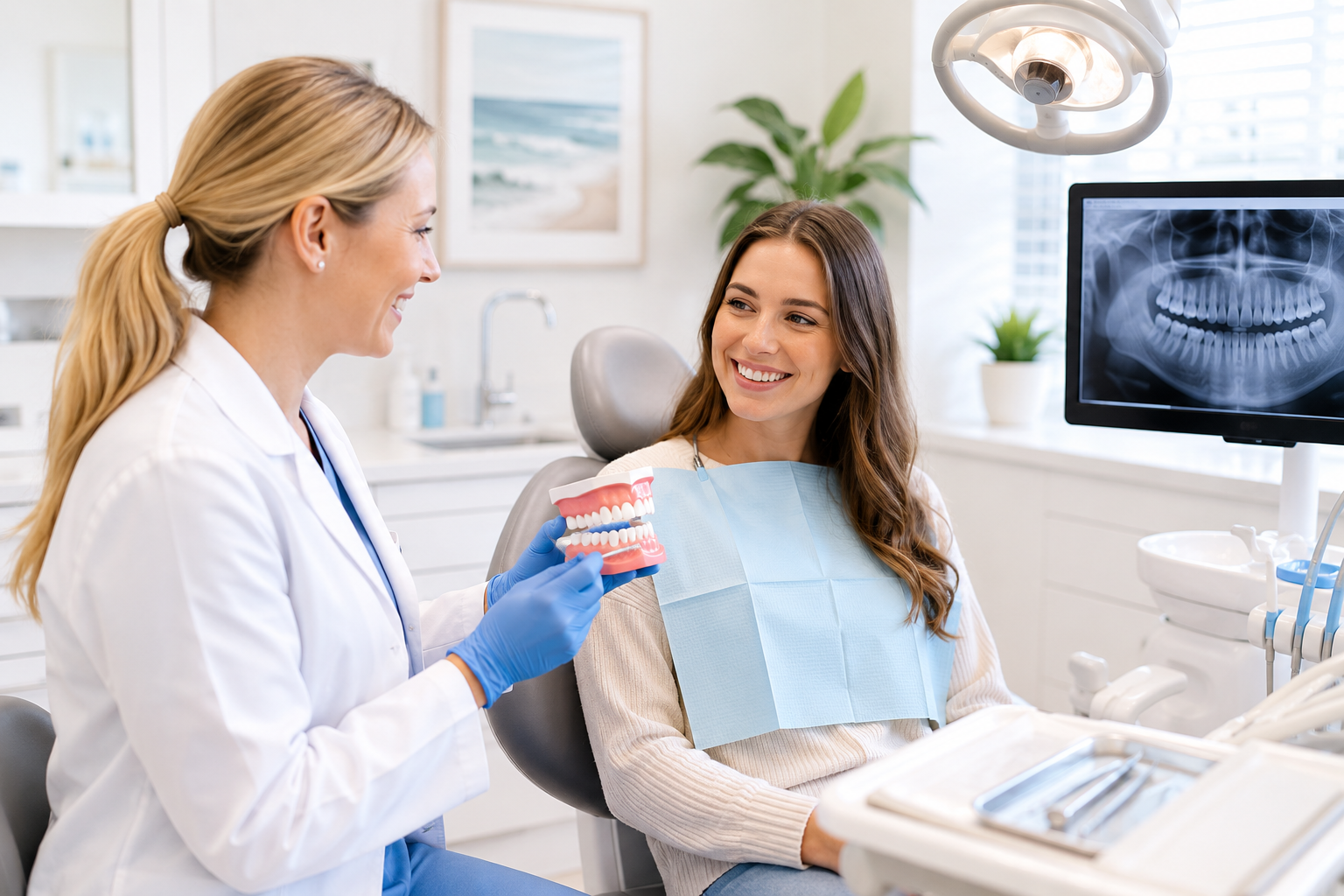
You can find affordable dental care in Lorton, VA without sacrificing quality or comfort. Local clinics offer preventive cleanings, basic restorative work, and flexible payment plans that make keeping your smile healthy within reach.
They explain options clearly and pair modern treatments with patient-centered comfort, so you understand costs and outcomes before any work begins. Expect guidance on preventive services, accessible treatment choices, and financing options that fit your budget while protecting long-term oral health.
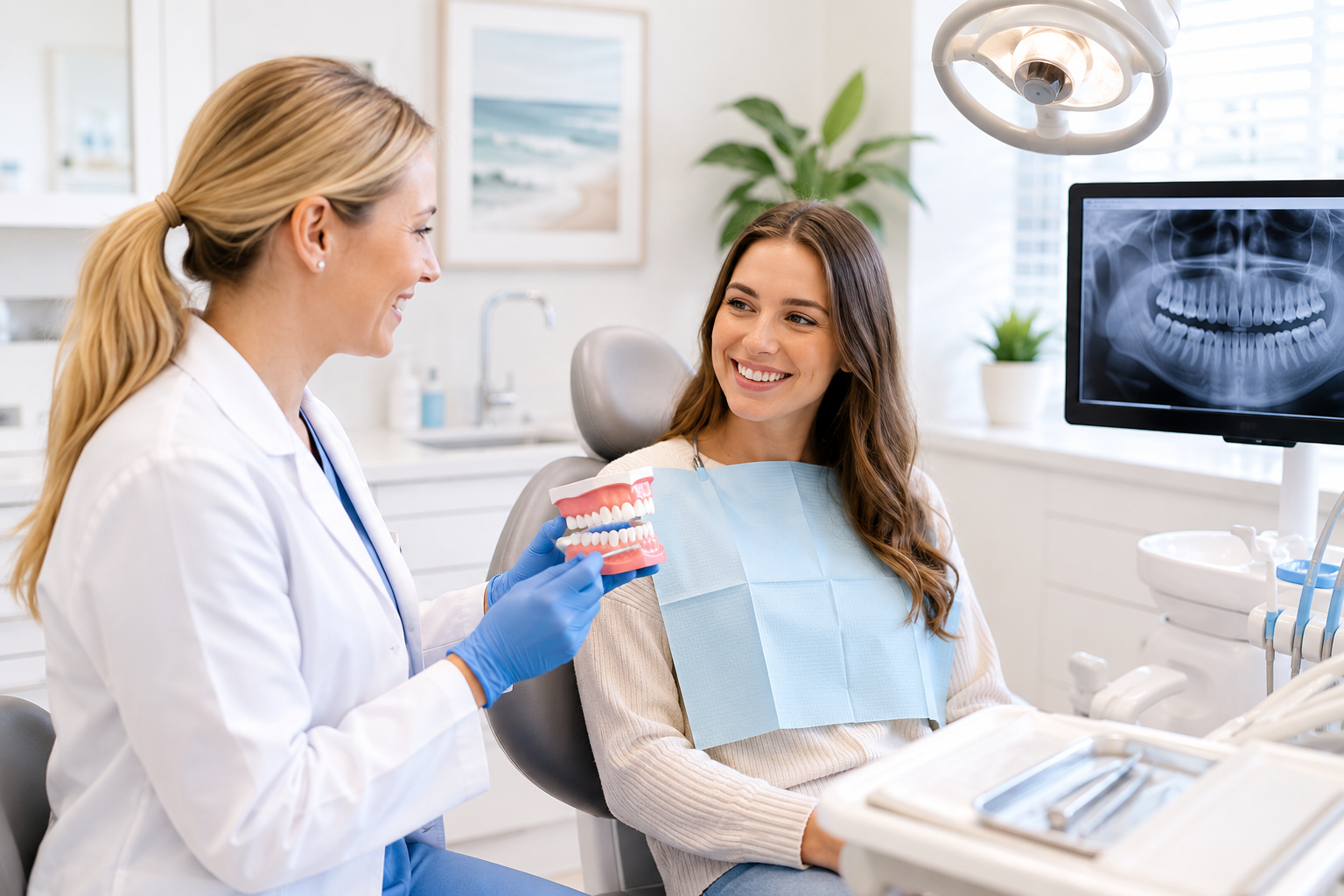
These services help catch problems early, reduce treatment costs, and keep teeth and gums healthy. Routine visits focus on detection, removal of buildup, and screening for serious conditions that benefit from early treatment.
A comprehensive exam evaluates the entire mouth, jaw, and soft tissues using a combination of visual inspection, probing, and diagnostic imaging. The dentist reviews medical history, notes changes since the last visit, and checks existing restorations for wear or failure.
Digital X-rays or intraoral photos are often used to detect cavities, bone loss, and hidden infections. The dentist measures gum pockets to assess periodontal health and documents any mobility, recession, or bite issues. Findings get explained in plain language, and a prioritized treatment plan is offered with cost estimates and preventive steps.
Patients receive personalized advice on brushing technique, flossing, and home-care products based on their specific risk factors. For those on limited budgets, the practice highlights lower-cost preventive measures and stages necessary treatments to spread expense.
Professional dental cleanings remove plaque and tartar that brushing and flossing miss, especially below the gumline. A hygienist uses scaler tools and ultrasonic devices, then polishes teeth to reduce surface staining and bacterial adhesion.
Cleanings typically include a plaque and stain assessment, fluoride application when appropriate, and brief oral hygiene coaching. For patients with gingivitis or periodontitis, the hygienist performs deeper scaling and root planing in targeted areas and schedules more frequent maintenance visits.
Patients should expect 30–60 minute appointments for adult cleanings; those with more advanced gum disease may need multiple visits. Clinics offering sliding-scale fees or membership plans often include periodic cleanings at reduced costs to encourage regular care.
Oral cancer screenings examine the lips, tongue, cheeks, floor and roof of the mouth, and neck for lumps, red or white patches, and other abnormalities. Examinations are quick, noninvasive, and performed at routine visits to maximize early detection.
Clinicians may use adjunctive tools—such as tissue dyes or autofluorescence devices—to highlight suspicious areas, but visual and tactile exams remain the primary method. Any suspicious lesion prompts documentation, photographic records, and a referral for biopsy or specialist evaluation when indicated.
Early detection greatly improves treatment options and outcomes. Dental teams educate patients on risk factors like tobacco, heavy alcohol use, and HPV, and they advise on self-check techniques and when to seek urgent evaluation.
Affordable clinics in Lorton focus on effective, minimal-cost repairs and compassionate removals that preserve oral health and comfort. Patients can expect transparent pricing, payment plans, and clear explanations of each procedure before treatment begins.
Dentists in Lorton commonly use composite (tooth‑colored) fillings for small to moderate cavities because they bond to tooth structure and require less removal of healthy enamel. The appointment usually lasts 30–60 minutes, includes local anesthesia for comfort, and the tooth is restored to function immediately.
For larger decay or fractured teeth, onlays and crowns are standard; these may require two visits and a lab-made restoration or same‑day milling when available. Clinics that offer sliding-scale fees or in-house financing often apply these options to restorative work.
Patients should ask about materials (composite, porcelain, metal), longevity (composites 5–10 years, porcelain crowns 10–15+ years with care), and warranty policies. Preventive advice—fluoride varnish, sealants for children, and routine cleanings—reduces the need for repeat restorations.
When a tooth cannot be saved, Lorton dentists prioritize atraumatic extractions that protect surrounding bone and soft tissue for future options like implants or bridges. Simple extractions take 20–40 minutes under local anesthesia; surgical extractions (impacted teeth or broken roots) require longer and sometimes referral to an oral surgeon.
Clinics emphasize pain control: local anesthesia, oral or IV sedation if needed, and clear post‑op instructions to manage swelling and prevent dry socket. Affordable practices often include a follow‑up visit in the extraction fee and offer discounted or bundled pricing for subsequent restorative steps, such as temporary dentures or implant consultations.
Patients should confirm pre‑op imaging (periapical or panoramic X‑ray), any medical-clearance needs, and cost estimates for both extraction and restorative planning to avoid surprise fees.
Modern restorative options restore function and appearance while minimizing chair time and preserving tooth structure. These solutions focus on durable materials, precise digital workflows, and patient comfort during treatment.
Dental crowns now use high-strength ceramics like zirconia and layered porcelain to match tooth color, translucency, and texture. Labs or in-office CAD/CAM systems scan teeth and mill crowns with precise margins, which reduces the need for repeated fittings and shortens treatment to one or two visits.
Clinics that offer same-day milling pair digital impressions with stain and glaze protocols so crowns blend with adjacent teeth. For patients with metal allergies, full-ceramic crowns avoid metal cores and reduce gum darkening at the margin. Dentists typically preserve as much healthy tooth as possible, using bonded cement to improve strength and limit future decay.
Post-op care includes avoiding hard foods for 24–48 hours and maintaining regular hygiene. Crowns can last 10–15 years or longer with routine checkups, proper brushing, flossing, and managing bruxism with a night guard when recommended.
Custom bridges replace one or more missing teeth by anchoring to adjacent teeth or implants, restoring chewing function and preventing neighboring tooth drift. Contemporary designs favor minimally invasive approaches—such as resin-bonded bridges or implant-supported bridges—when adjacent teeth are healthy.
Digital planning maps occlusion and esthetics so technicians craft pontics that match shape and shade. Implant-supported bridges avoid altering natural teeth and distribute bite forces more evenly, while conventional porcelain-fused-to-ceramic bridges remain a cost-effective option when implants aren’t feasible.
Patients should expect short-term sensitivity after placement and be instructed on interdental cleaning beneath pontics using floss threaders or water flossers. With good oral hygiene and periodic professional exams, well-made bridges can function reliably for many years.
The practice offers multiple ways to reduce out‑of‑pocket costs and spread payments for treatments. Options include an in‑house membership plan, widely accepted insurance carriers, and low‑interest third‑party financing for larger procedures.
The in‑house membership plan functions like a mini dental insurance alternative for patients without coverage. For a fixed annual or monthly fee, members receive routine exams, two professional cleanings, fluoride treatments, and discounts (usually 10–20%) on restorative care such as fillings, crowns, and extractions.
Enrollment is simple: patients complete a short application and begin using benefits immediately, with no waiting periods for preventive services. The plan often eliminates claim filing and preauthorizations, so patients pay a predictable fee and receive discounted service rates at the time of treatment.
The membership works well for families, too. Family plans typically reduce the per‑person rate and keep bookkeeping consolidated. Patients should confirm exclusions (e.g., implants, lab fees) and whether specialists’ services are covered before enrolling.
The office accepts a broad network of dental insurers to maximize patient benefit and minimize unexpected bills. Common accepted providers include Delta Dental (PPO and Premier), Aetna, Cigna, MetLife, UnitedHealthcare, and several local Medicaid/CHIP plans for eligible children.
Staff checks benefits before treatment and provides a pre‑estimate of covered services, showing patient responsibility for co‑pays, deductibles, and non‑covered items. They submit claims electronically and follow up on denials or delayed payments to reduce administrative burden on the patient.
Patients should bring their insurance ID card and recent payor communication to the first visit. If a plan is out of network, the practice can present a cost comparison and discuss in‑network alternatives or direct‑billing options.
For procedures that exceed routine care costs, the practice offers structured payment choices to avoid delaying treatment. Options include interest‑free short‑term plans (3–12 months) and low‑interest extended plans through reputable third‑party lenders such as CareCredit and LendingClub Patient Solutions.
Staff prepares a written estimate that breaks down the total, insurance contributions, and proposed payment schedule. Patients can choose to split treatment across visits, pay a deposit, and set up automatic monthly drafts to keep payments consistent and transparent.
For urgent care needs, they may prioritize essential treatment first and phase elective work later. The office emphasizes informed consent: patients review plans in writing and receive contact info for financial coordinators who answer questions and adjust arrangements when life circumstances change.
This practice prioritizes clear pain control, gentle treatment pacing, and emotional support to keep patients calm and comfortable. Practical measures include targeted anesthesia, distraction tools, and scheduling choices that reduce stress and chair time.
The clinic uses a layered approach to minimize discomfort during procedures. Topical anesthetic gels numb the injection site before local anesthesia, and computer-controlled delivery systems regulate flow to reduce pressure and sting. For more extensive work, they offer conscious sedation options—oral sedatives or nitrous oxide—monitored by trained staff to maintain safety and responsiveness.
They also minimize time in the chair by breaking complex treatments into shorter, well-timed visits when appropriate. Modern dental lasers and electric handpieces reduce vibration and bleeding, which speeds healing and lessens postoperative soreness. Staff give specific post-procedure instructions and prescribe or recommend targeted analgesics and topical agents when needed.
The team greets patients with clear explanations and checks for fears or prior negative experiences before treatment begins. They use plain language to explain steps, show instruments, and set expectations for sensations and timing, which lowers anxiety and increases cooperation.
Staff coordinate appointments to match patient preferences—morning slots for those anxious about fasting, or longer appointments for thorough discussion. They follow up after invasive procedures with calls or messages to monitor recovery and adjust care if pain or swelling arises.
Patients pick this practice for comfortable care, clear pricing, and easy access to appointments and treatments.
They receive a short, detailed intake that identifies dental history, current concerns, and insurance details before treatment. Staff reviews past X-rays and creates a written care plan showing estimated costs, payment options, and proposed timelines so patients know what to expect.
The team offers treatment choices when appropriate — for example, discussing a tooth-colored filling vs. a crown with pros, cons, and lifespan estimates. Appointments include topical anesthetic and noise-cancelling headphones for nervous patients, and clinicians check pain levels throughout procedures.
Follow-up includes post-procedure calls and a personalized hygiene schedule with reminders. For patients with financial concerns, the practice provides low-interest financing, a sliding-fee exam option, and a clear list of what insurance typically covers.
The office sits near Lorton Road and South Buffalo Street, a five-minute drive from the VRE station and several bus stops, making transit straightforward for commuters. Free on-site parking and evening hours twice weekly accommodate work schedules and family pick-up times.
The facility houses digital X-rays and same-day crown milling equipment, reducing visits for many restorative procedures. Extended appointment blocks allow thorough work for complex cases without forcing multiple short visits.
Nearby pharmacies and a pediatric clinic simplify aftercare and family scheduling. The office posts real-time opening times and appointment availability on its website, and staff respond to online booking requests within one business day.
They can start by scheduling a consultation with a local Lorton, VA dental clinic that accepts sliding-scale fees, payment plans, or dental savings plans. A short phone call or online form often clarifies costs, available appointments, and whether same-day or emergency slots exist.
Patients should bring a list of current medications and any dental concerns to the first visit. This helps the dentist prioritize treatment, estimate expenses, and recommend preventive care or affordable restorative options like composite fillings or denture alternatives.
If cost is the main barrier, they can ask about financing options and community resources. Local health centers, charitable clinics, and dental schools sometimes offer reduced fees or supervised care at lower prices.
Below are quick questions to ask when comparing clinics:
They should also request a written treatment plan and cost estimate before procedures begin. Clear documentation reduces surprises and allows time to explore alternatives such as phased treatment or prioritizing urgent needs first.
Encourage them to call or visit a trusted Lorton dental office to discuss options and schedule an exam. A friendly staff member can explain financial arrangements and next steps to make dental care manageable.
This section answers practical cost, payment, and care questions for people seeking affordable dental services in Lorton. It focuses on finding trusted local dentists, low-cost preventive care, typical local prices, and ways to compare offices and manage restorative-treatment costs.
Search for dentists with at least several years of experience and current state licenses posted on their websites. Read Google and Yelp reviews, looking for recent mentions of clear pricing, gentle care, and transparent billing.
Call two or three offices and ask about new-patient specials, sliding-scale programs, or membership plans. Verify whether the office offers digital X-rays and modern infection control—these reduce long-term costs and improve safety.
Many Lorton practices accept cash, major credit cards, and debit cards. They often offer in-office financing, third-party plans (CareCredit, Proceed Finance), or monthly membership plans that cover exams and cleanings.
Community health centers and county clinics may offer services on a sliding fee scale based on income. Ask about payment plans before treatment to avoid surprise balances.
Routine exams and cleanings twice a year catch cavities and gum disease early, when treatment is far cheaper. Bitewing X-rays every 1–3 years help detect decay between teeth before it requires larger restorations.
Fluoride treatments and sealants are inexpensive and prevent decay in children and adults at higher risk. Professional oral hygiene combined with daily brushing and flossing reduces the need for costly restorative work.
Typical new-patient exam fees in Lorton range from $60 to $150, depending on the practice and whether an oral cancer screening is included. Routine cleanings commonly cost $75 to $175, with deeper periodontal cleanings priced higher.
Bitewing X-rays usually add $25–$75; a full set or panoramic digital X-ray can run $75–$200. Ask about bundled new-patient specials—many clinics offer combined exam, cleaning, and X-rays for a discounted flat fee.
For small to moderate cavities, composite (tooth-colored) fillings are standard; expect $150–$350 per surface in the Lorton area. Amalgam fillings can be cheaper but may not suit visible teeth.
Crowns typically cost $800–$1,600 in private practices depending on material. To save money, patients can ask about high-quality lab crowns versus same-day milled ceramic crowns, payment plans, or phased treatment—treating the most urgent teeth first.
Create a short checklist: years of experience, patient reviews, technology (digital X-rays, intraoral cameras), available payment options, and warranty or follow-up policies. Call each office with the same set of questions and note exact quotes for exams, cleanings, X-rays, fillings, and crowns.
Look for transparent fee schedules or new-patient packages online and confirm any quoted price is in writing. If unsure, schedule a consultation; a brief visit lets the patient evaluate comfort, staff communication, and whether the practice explains costs clearly.